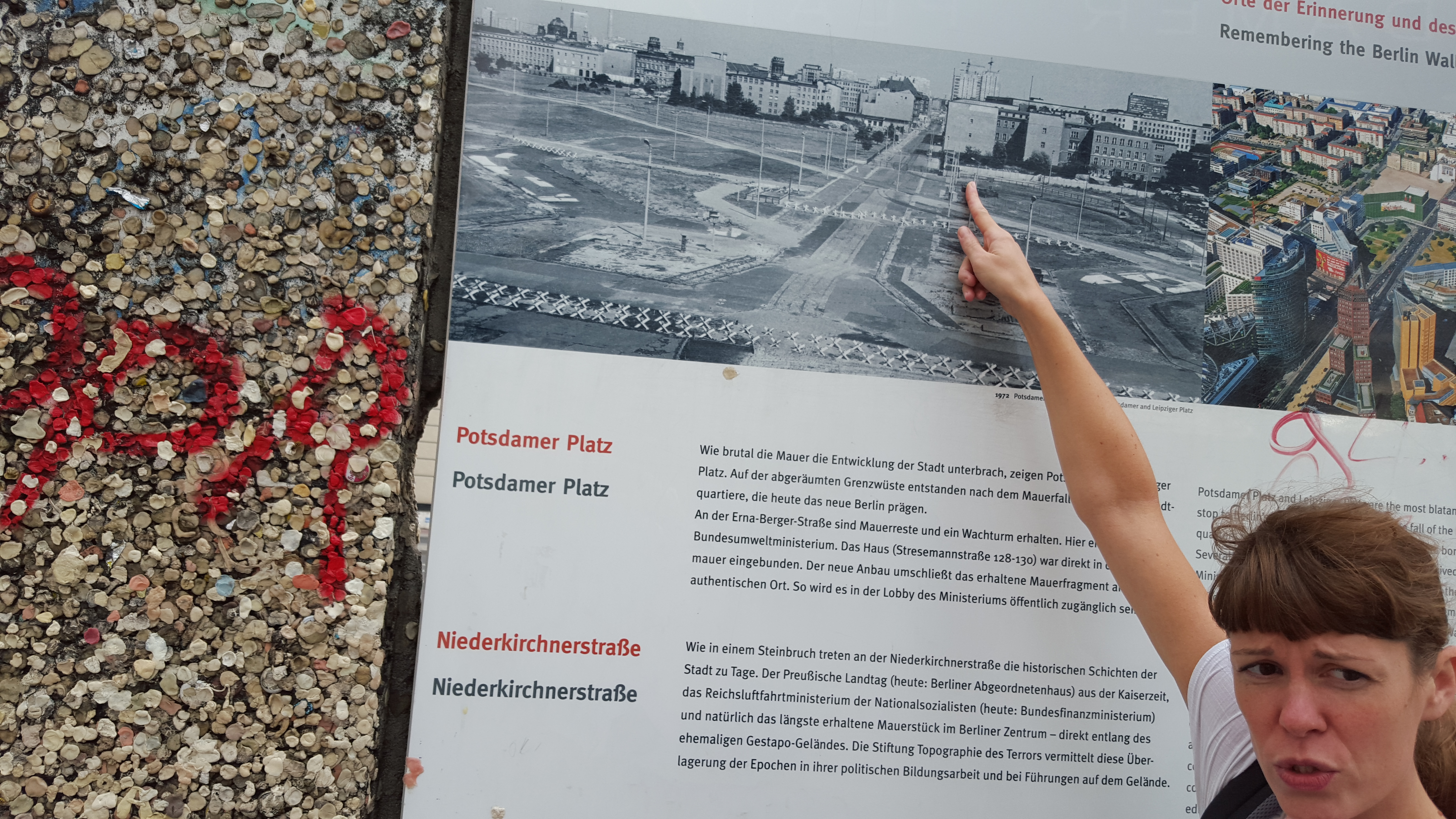
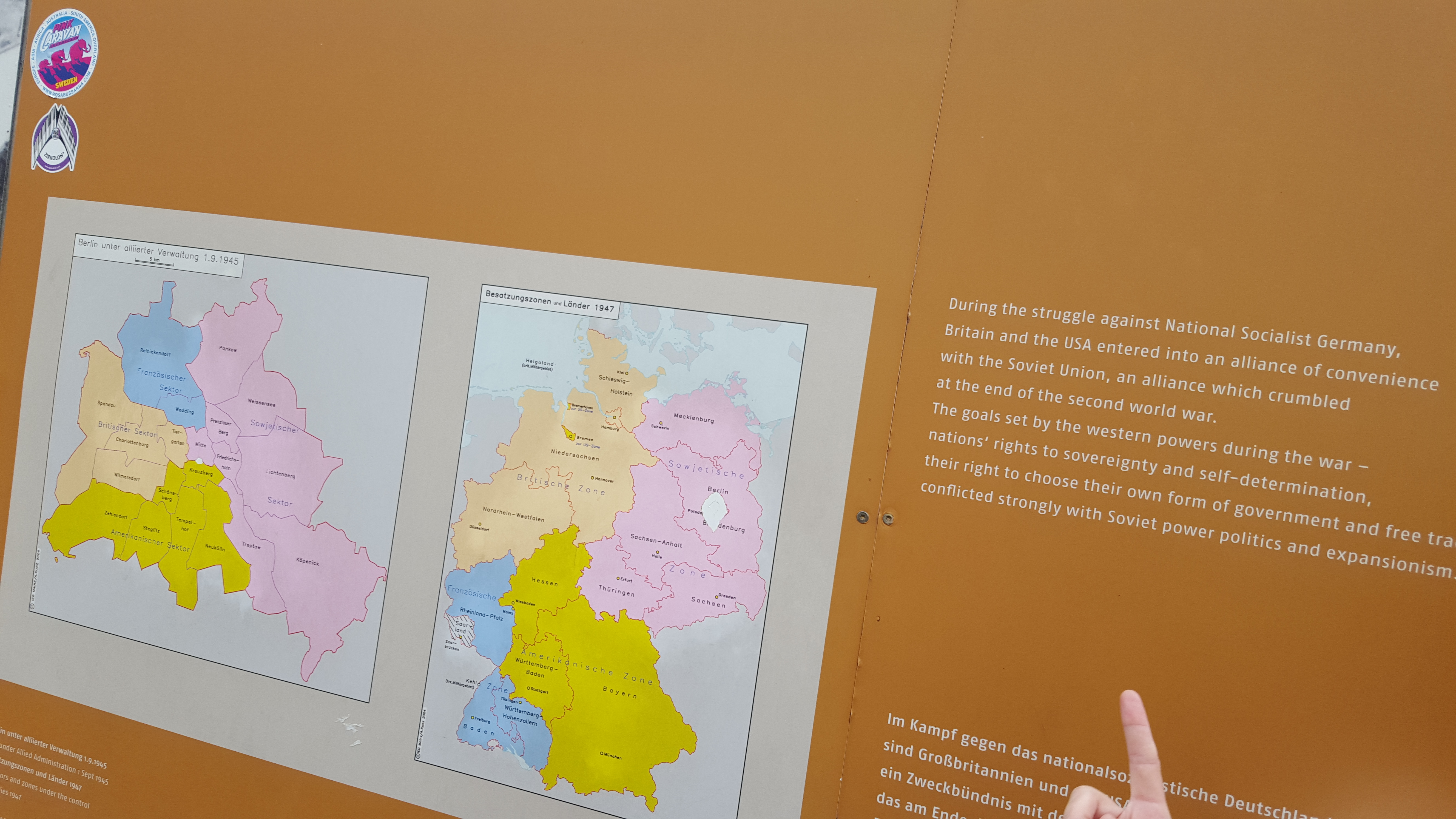
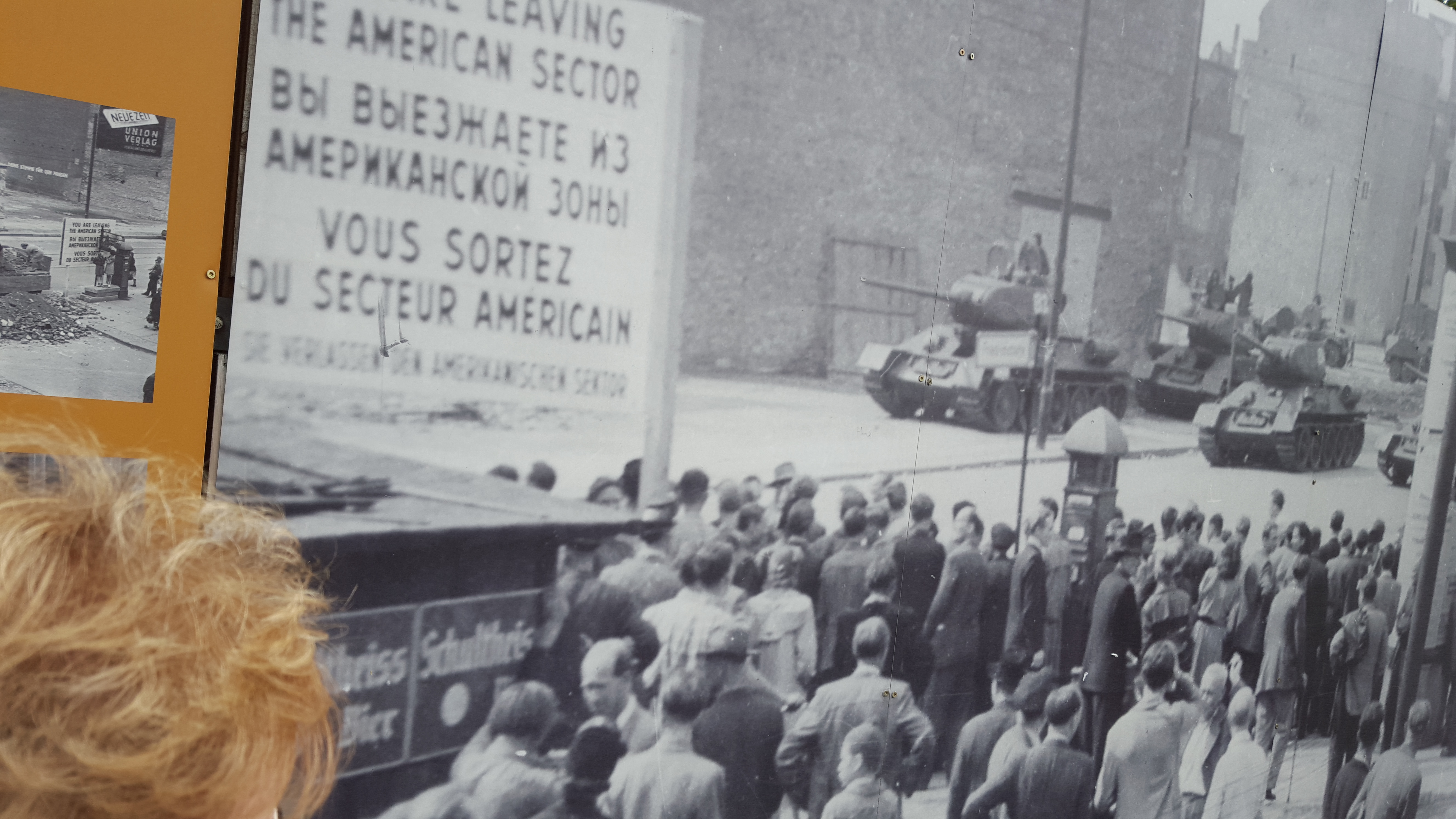
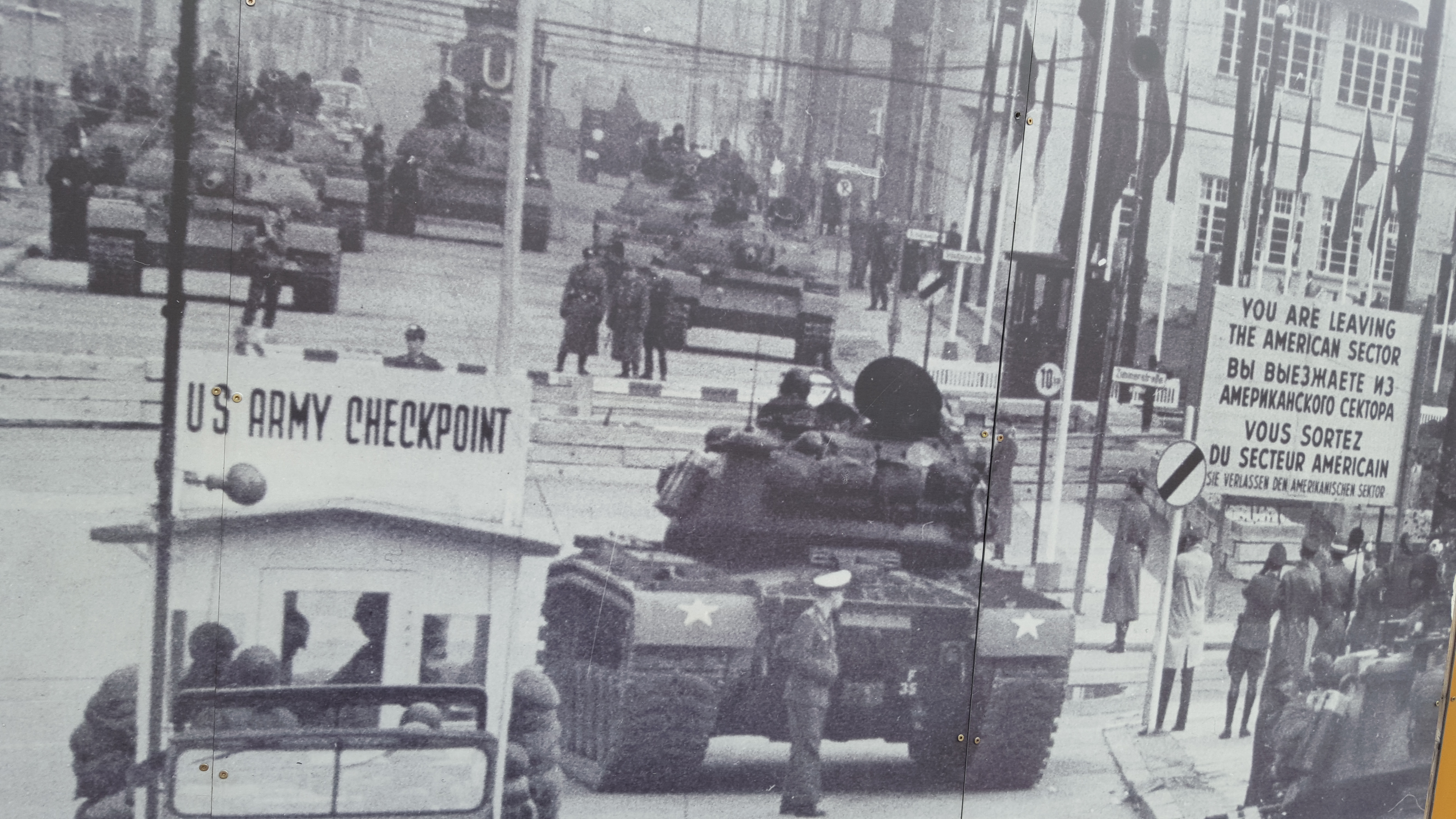
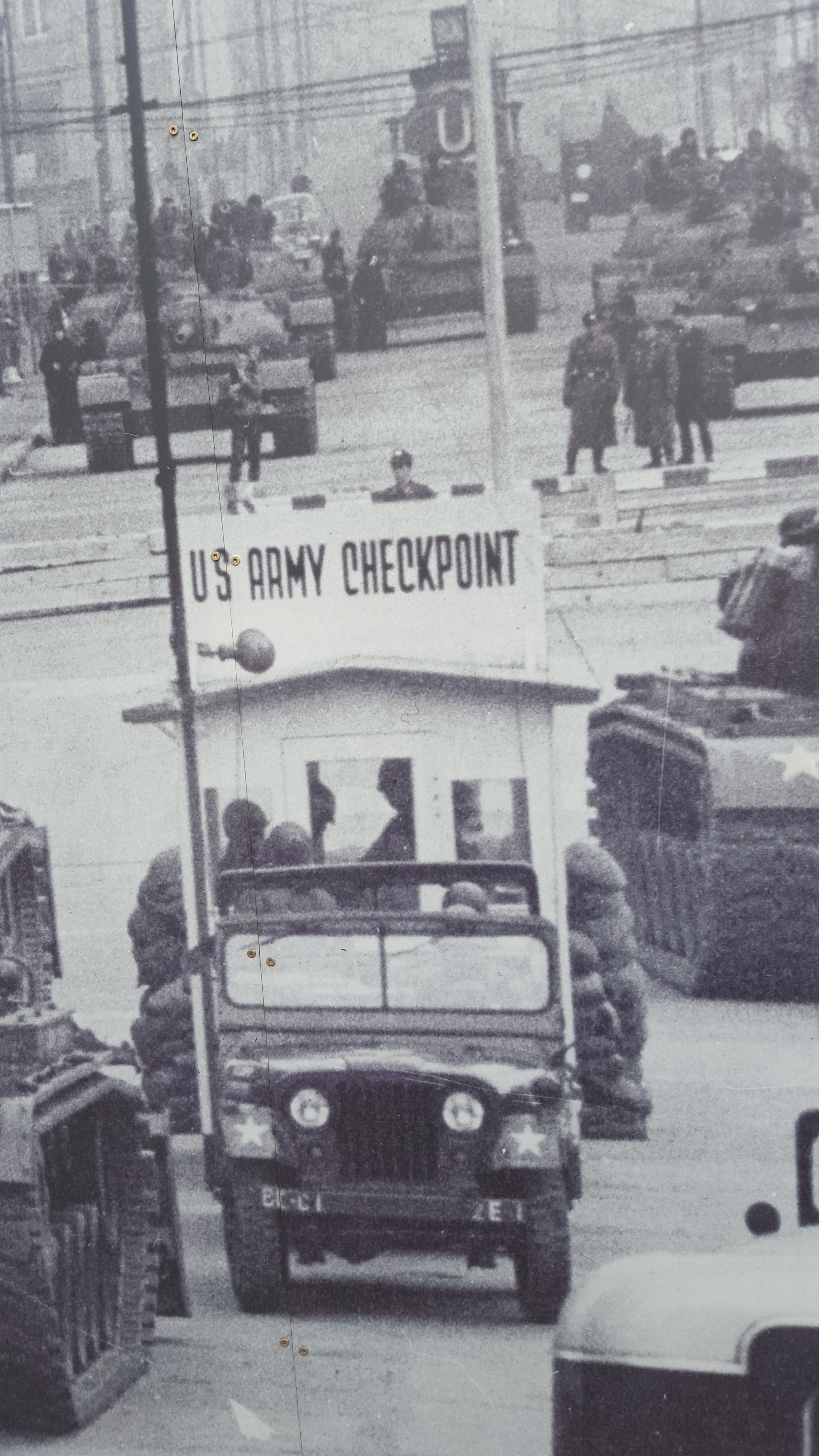
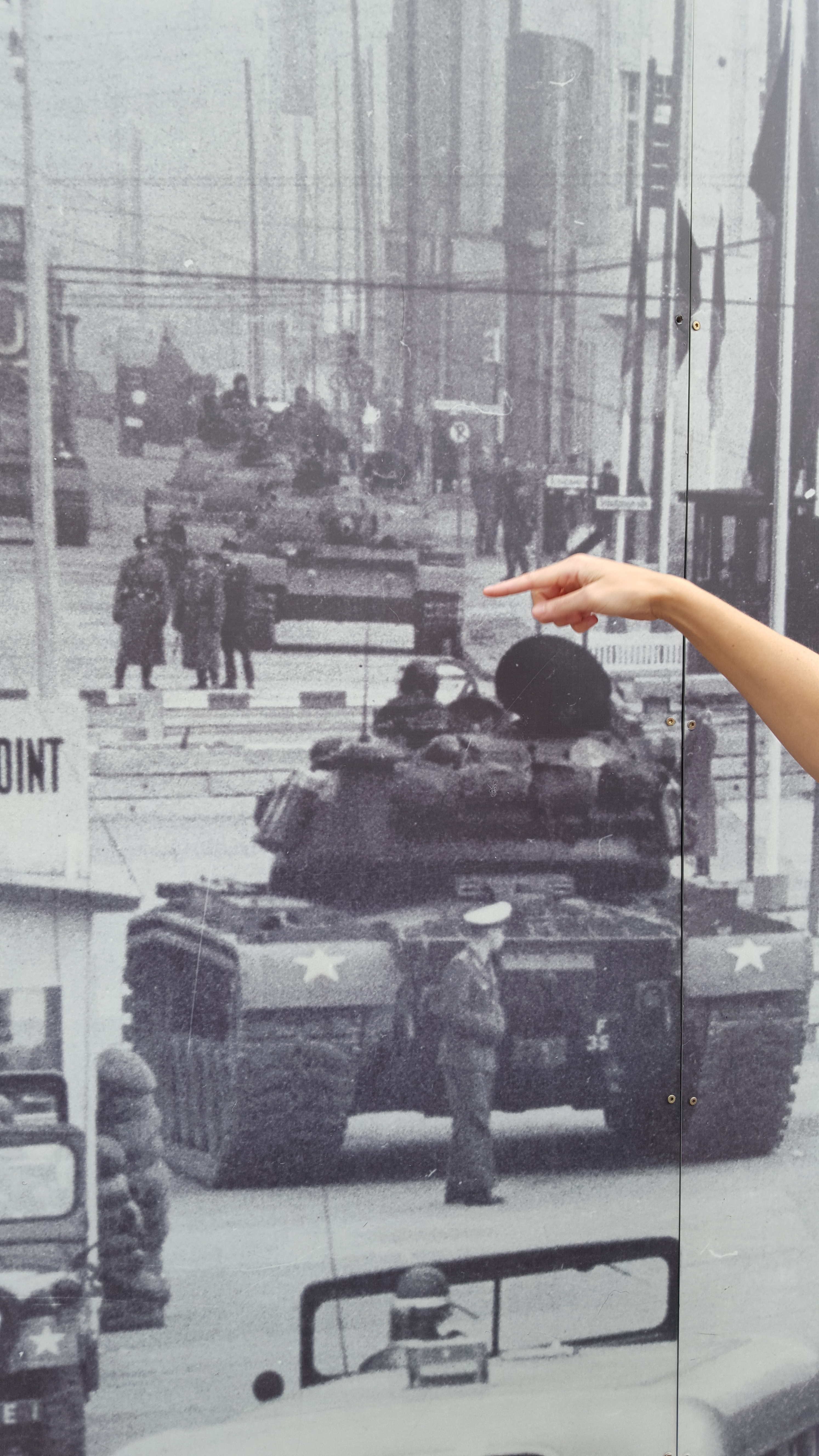
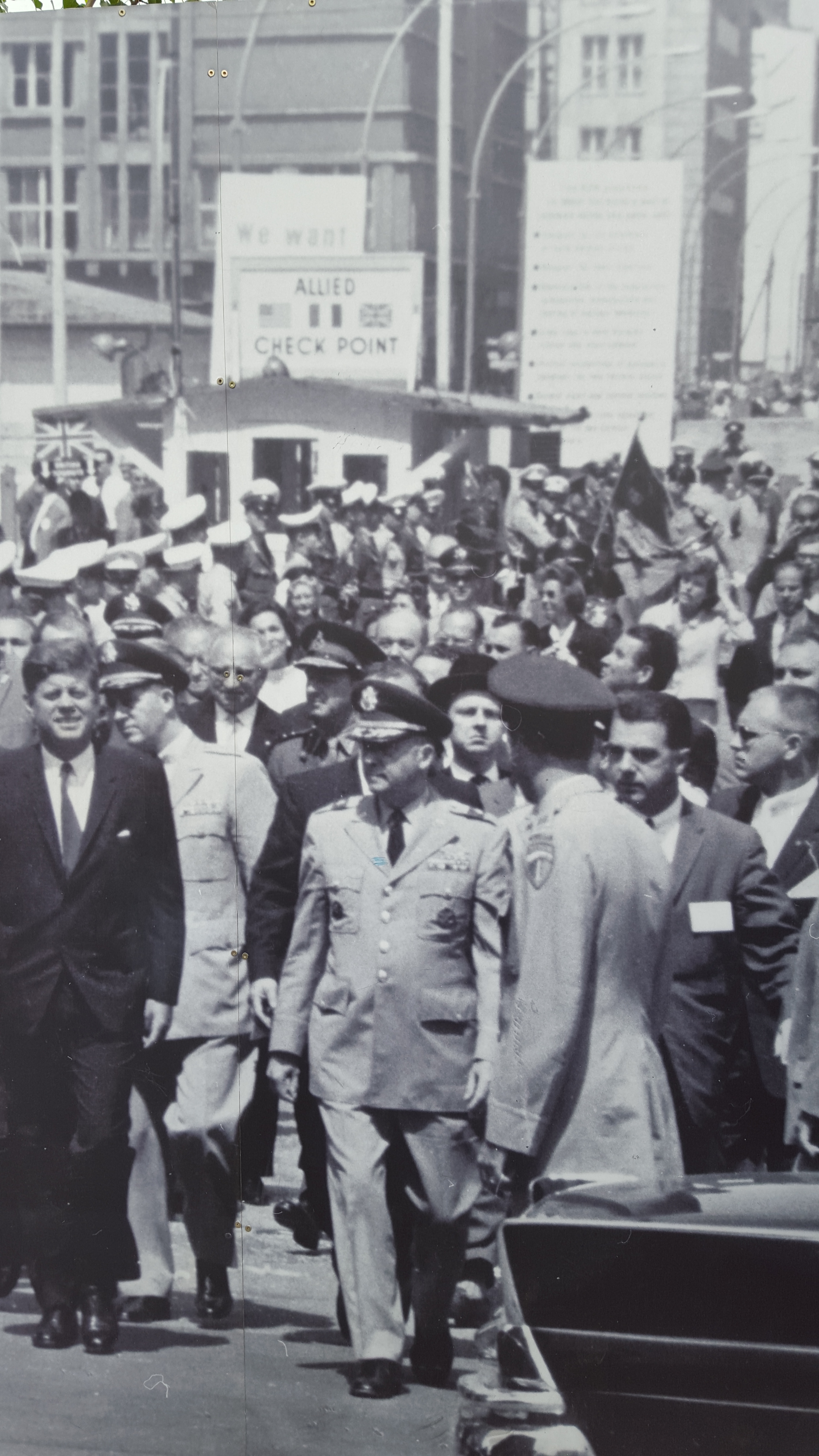
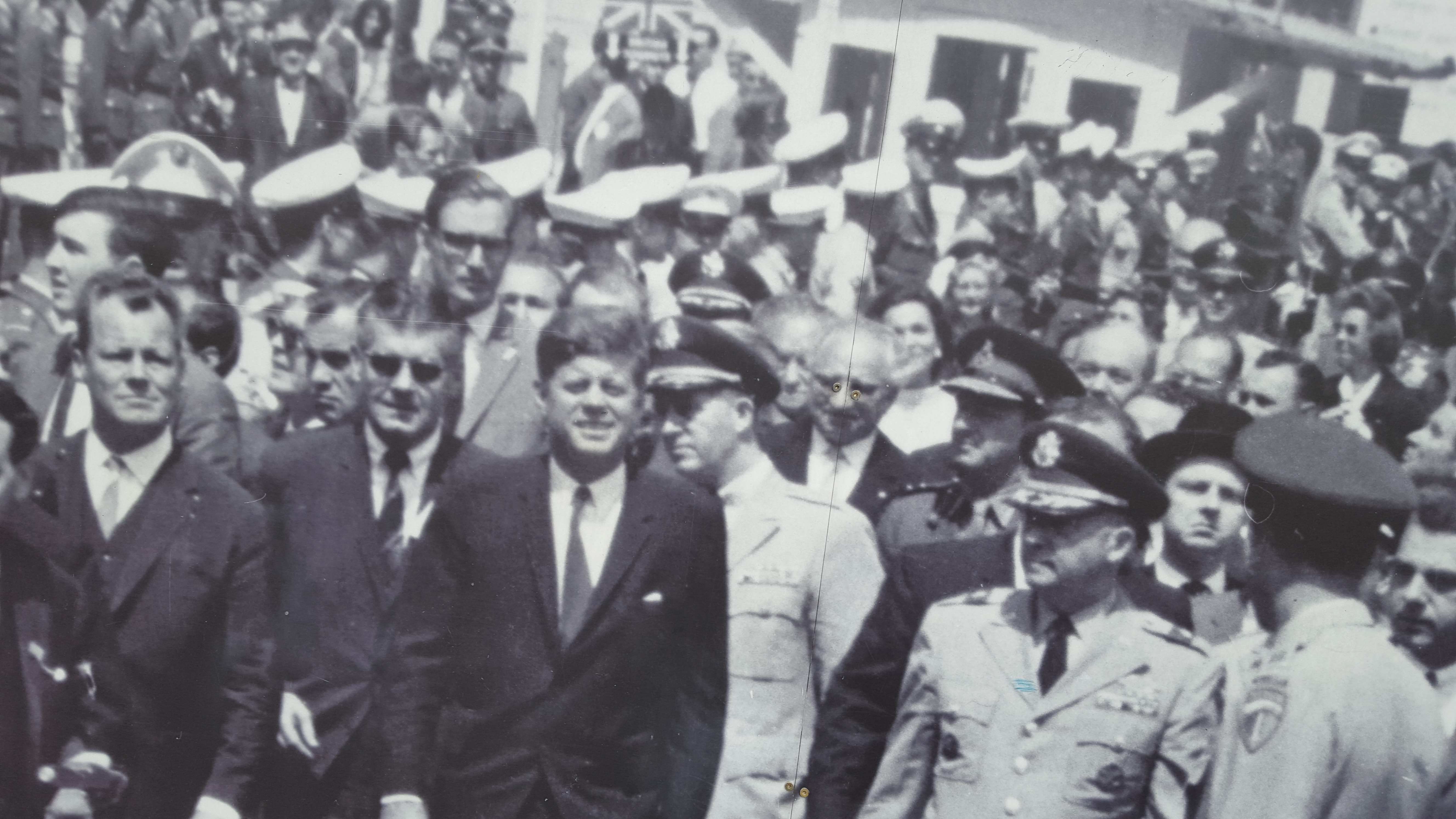
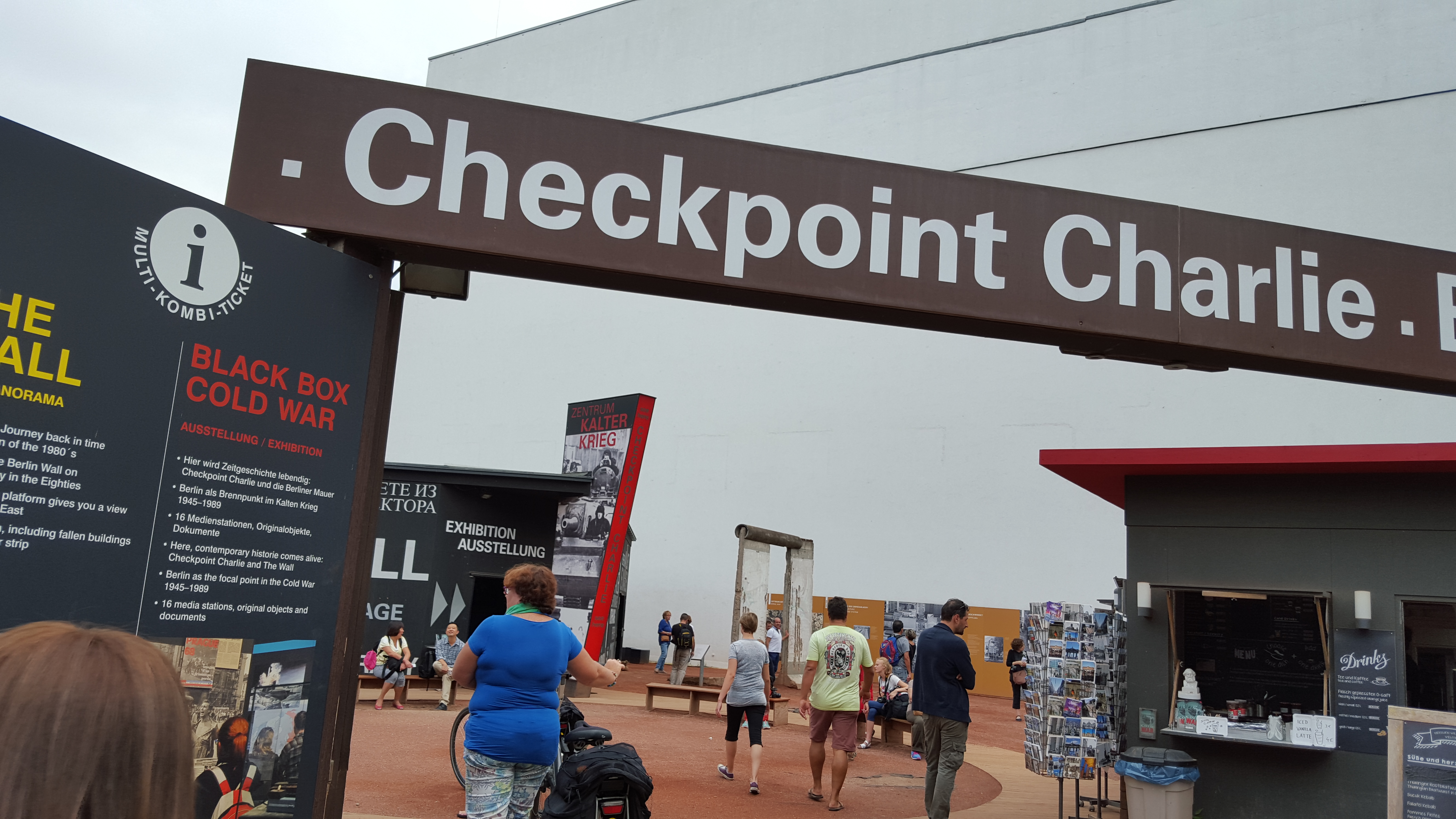
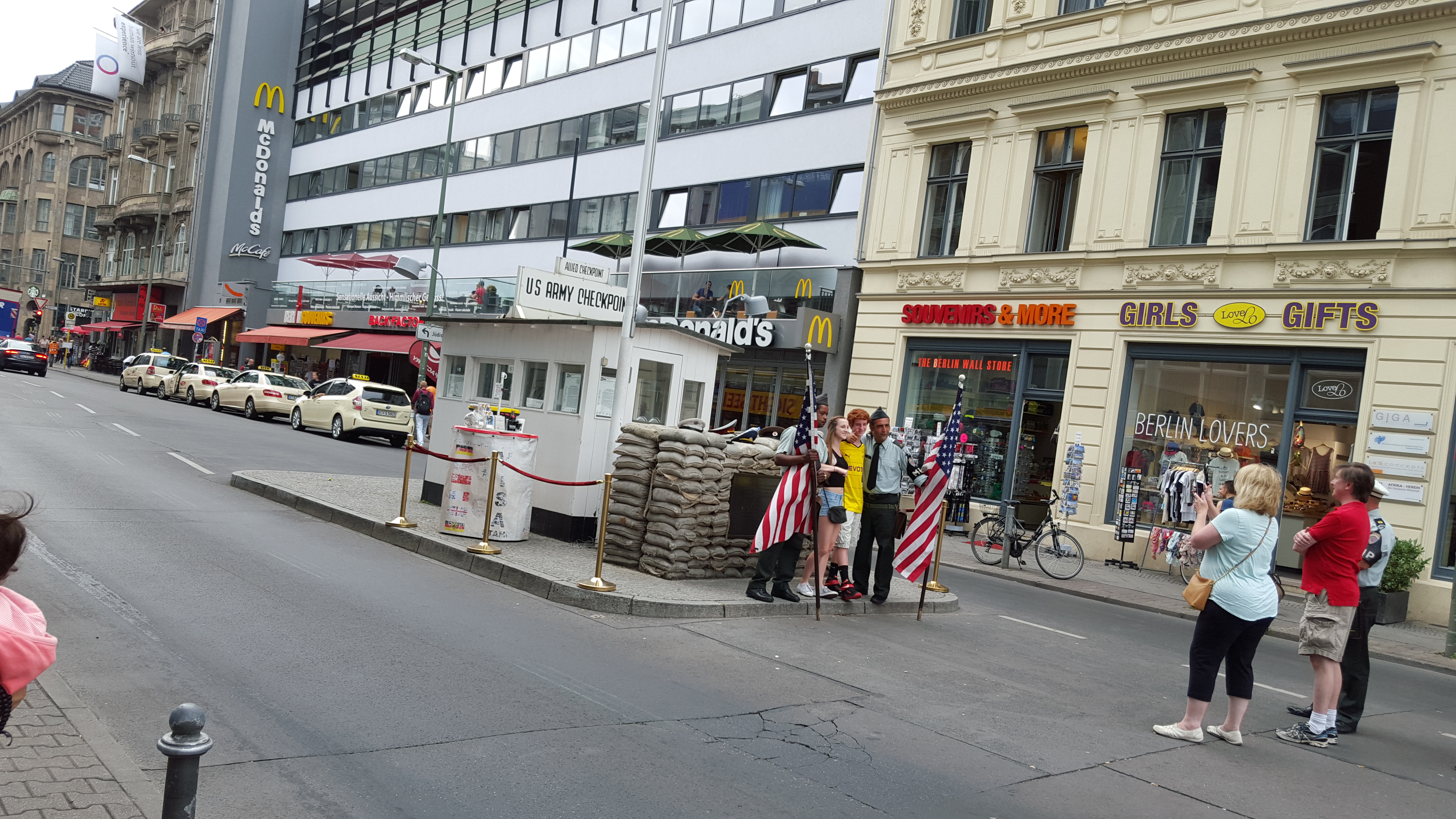

The Berlin Crisis of 1961 (4 June – 9 November 1961) was the last major politico-military European incident of the Cold War about the occupational status of the German capital city, Berlin, and of post–World War II Germany. The USSR provoked the Berlin Crisis with an ultimatum demanding the withdrawal of Western armed forces from West Berlin—culminating in the city's de facto partition with the East German erection of the Berlin Wall.
After the Soviet occupation of Eastern Europe at the end of World War II, some of those living in the newly acquired areas of the Eastern Bloc aspired to independence and wanted the Soviets to leave. Between 1945 and 1950, over 15 million people emigrated from Soviet-occupied eastern European countries to the West. Taking advantage of this route.
By the early 1950s, the Soviet approach to controlling national movement, restricting emigration, was emulated by most of the rest of the Eastern Bloc, including East Germany. Up until 1953, the lines between East Germany and the western occupied zones could be easily crossed in most places. Consequently, the Inner German border between the two German states was closed, and a barbed-wire fence erected. In 1955, the Soviets passed a law transferring control over civilian access in Berlin to East Germany, which officially abdicated them for direct responsibility of matters therein, while passing control to a government not recognized in the US-allied West. When large numbers of East Germans then defected under the guise of "visits", the new East German state essentially eliminated all travel between the west and east in 1956.
With the closing of the Inner German border officially in 1952, the border in Berlin remained considerably more accessible than the rest of the border because it was administered by all four occupying powers. Accordingly, Berlin became the main route by which East Germans left for the West. The Berlin sector border was essentially a "loophole" through which East Bloc citizens could still escape. The 4.5 million East Germans that had left by 1961 totalled approximately 20% of the entire East German population.
In November 1958, Soviet Premier Nikita Khrushchev issued an ultimatum giving the Western powers six months to agree to withdraw from Berlin and make it a free, demilitarised city. At the end of that period, Khrushchev declared, the Soviet Union would turn over to East Germany complete control of all lines of communication with West Berlin; the western powers then would have access to West Berlin only by permission of the East German government. The United States, United Kingdom, and France replied to this ultimatum by firmly asserting their determination to remain in West Berlin and to maintain their legal right of free access to that city.
In May 1959 the Soviet Union withdrew its deadline and instead met with the Western powers in a Big Four foreign ministers' conference. Although the three-month-long sessions failed to reach any important agreements, they did open the door to further negotiations and led to Premier Khrushchev's visit to the United States in September 1959.
June 1961, Premier Khrushchev caused a new crisis when he reissued his threat to sign a separate peace treaty with East Germany, which he said would end existing four-power agreements guaranteeing American, British, and French access rights to West Berlin. However, this time he did so by issuing an ultimatum, with a deadline of 31 December 1961. The three powers replied that no unilateral treaty could abrogate their responsibilities and rights in West Berlin, including the right of unobstructed access to the city.
As the confrontation over Berlin escalated, Kennedy, in a speech delivered on nationwide television the night of 25 July, reiterated that the United States was not looking for a fight and that he recognised the "Soviet Union's historical concerns about their security in central and eastern Europe." He said he was willing to renew talks. But he announced that he would ask Congress for an additional $3.25 billion for military spending, mostly on conventional weapons.
During the early months of 1961, East German government actively sought a means of halting the emigration of its population to the West. By the early summer of 1961, East German President Walter Ulbricht apparently had persuaded the Soviets that an immediate solution was necessary and that the only way to stop the exodus was to use force. This presented a delicate problem for the Soviet Union because the four-power status of Berlin specified free travel between zones and specifically forbade the presence of German troops in Berlin.
During the spring and early summer, the East German government procured and stockpiled building materials for the erection of the Berlin Wall. Although this extensive activity was widely known, few outside the small circle of Soviet and East German planners believed that East Germany would be sealed off. This material included enough barbed wire to enclose the 96-mile circumference of West Berlin. The regime managed to avoid suspicion by spreading out the purchases of barbed wire among several East German companies, which in turn spread their orders out among a range of firms in West Germany and the United Kingdom.
On August 4–7 1961, the foreign ministers of four Western countries (the United States, United Kingdom, France and West Germany) held secret consultations in Paris. The only question on the agenda was how to react to the Soviet provocations in Berlin. In the course of these meetings Western representatives expressed an understanding of the defensive nature of Soviet campaign in Germany, and unwillingness to risk a war.
On Saturday 12 August 1961, the leaders of East Germany attended a garden party at a government guesthouse in Döllnsee, in a wooded area to the north of East Berlin, and Walter Ulbricht signed the order to close the border and erect a Wall.
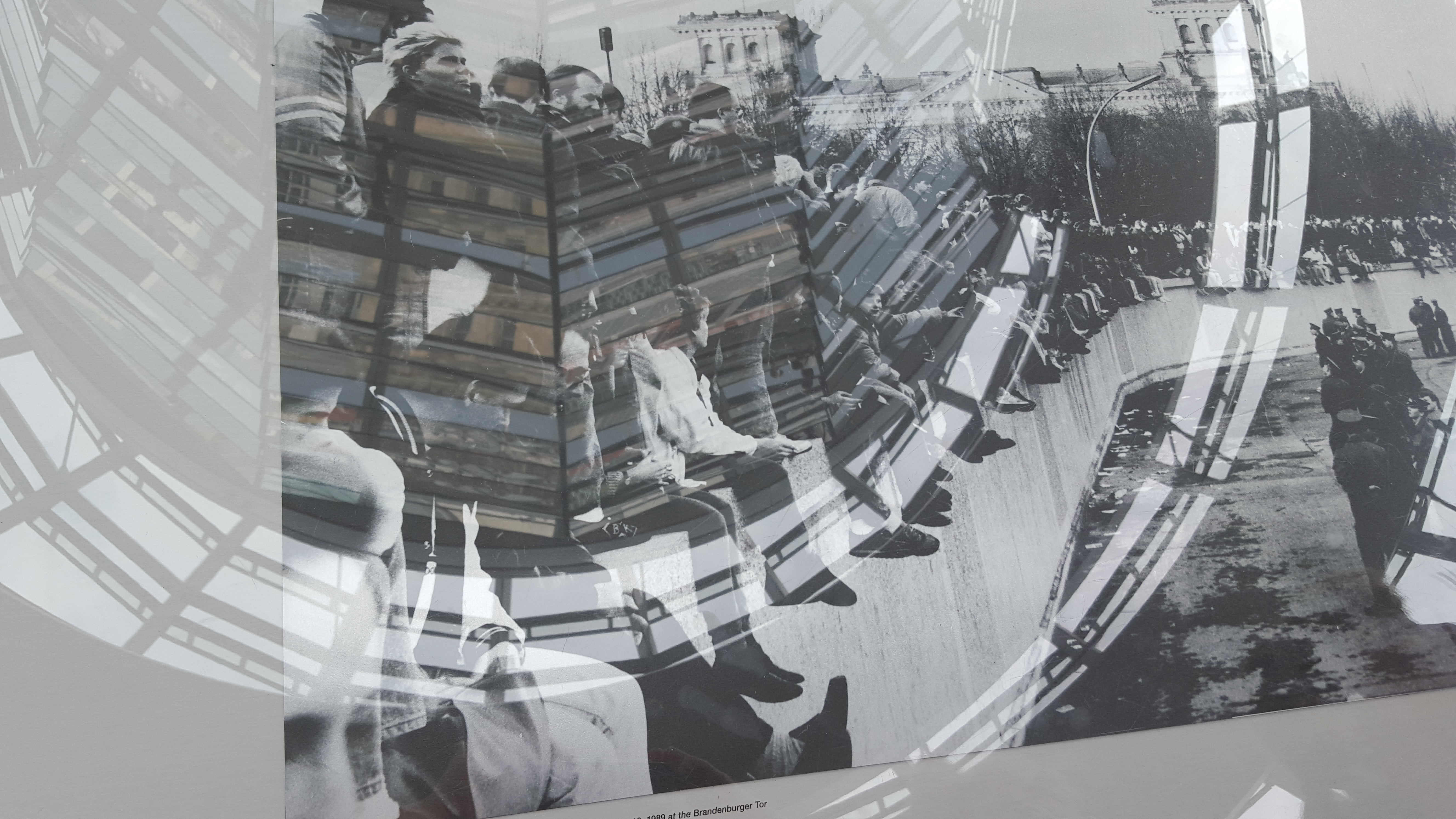
At midnight the army, police, and units of the East German army began to close the border and by morning on Sunday 13 August 1961 the border to West Berlin had been shut. East German troops and workers had begun to tear up streets running alongside the barrier to make them impassable to most vehicles, and to install barbed wire entanglements and fences along the 97 miles around the three western sectors and the (27 miles which actually divided West and East Berlin. Approximately 32,000 combat and engineer troops were used in building the Wall. Once their efforts were completed, the Border Police assumed the functions of manning and improving the barrier. The Soviet Army was present to discourage interference by the West and presumably to assist in the event of large-scale riots.